
Smart steps for finances: practical guide with Espoo notices
A clear, practical guide for personal finance readers. Learn how to use local event notices in Espoo to inform budgeting, planning, and investments.

Readers often ask how local information can improve financial decisions. This guide shows concrete, actionable ways to use local notices and upcoming events to plan budgets, compare services, and spot cost-saving opportunities. You’ll learn why a notice board in Espoo can influence spending, saving, and risk awareness.
First, we translate a simple concept into practical steps: track notice dates, verify details, and measure impact on your finances. This builds a repeatable habit that pays off over time. You’ll see how a calendar, a small note system, and a few checks can reduce wasteful spending and improve liquidity.
Finally, the guide focuses on reliable, real-world actions you can take this week. It avoids fluff and sticks to steps you can apply whether you manage a household or a growing portfolio. By linking local notices to money goals, you gain clearer control over cash flow and opportunities.
- Use local notices to inform budgeting and cost-saving decisions without overhauling your entire plan.
- Verify dates, terms, and costs with reliable sources before acting.
- Keep a simple log to measure the impact of each notice you act on.
- Build a recurring weekly habit to scan notices and adjust finances accordingly.
Basics of using local notices
Identify relevant notices
Start by scanning community boards for items that affect daily costs, such as utility price changes or transport advisories. Prioritize notices that repeat or involve recurring fees, which tend to have the biggest impact on monthly budgets. hautajaisilmoitukset Espoossa is a phrase you may see in local notices that can affect budgeting if the item is tied to a service you use.
Next, learn the language of a notice: dates, deadlines, and eligibility rules. Understanding these details helps you decide whether to act, wait, or ignore a notification.
Lastly, keep a simple log of notices you read and the actions you take. A one-line note per item makes it easy to track outcomes and adjust your plan next month.
- Track dates and deadlines
- Mark cost-related items
- Record actions and outcomes
Match notices to finances
Notices often signal opportunities to save, such as changes in service plans or discounts for early payments. Align these opportunities with your budget cycle so you can decide before committing extra spending.
Use a simple comparison: if a new option costs less than your current one and fits your usage, try it for a month. If not, revert and compare again later.
Keep an eye on deadlines; delayed action can mean missing savings or penalties. A calendar reminder helps you act promptly.
- Look for recurring discounts
- Test new options briefly
- Set reminders for deadlines
How to evaluate local event notices

Assess financial relevance
Notices aren’t finance tips by default; treat them as data sources. Ask if the item affects your costs, timing, or risk exposure. If yes, quantify the potential impact in real terms. espoouutiset.fi uutiset often signal changes in local services that can alter monthly expenses and risk.
Convert qualitative signals into numbers where possible. For example, estimate monthly savings from a change in a service provider.
If there is no impact on your finances, note it and move on to more meaningful notices.
- Determine cost impact
- Estimate monthly savings
- Ignore non-financial items
Practical verification steps
Always verify dates, prices, and eligibility with an independent source when possible. Small differences in wording can mean large differences in cost or timing.
Create a side-by-side comparison chart for up to three options. Use actual figures rather than round numbers to keep comparisons honest.
Document your final choice and the rationale so you can replicate or adjust later.
- Verify details
- Compare objectively
- Document and reflect
Options for applying notices to finances
Budgeting adjustments
Use new information to adjust your monthly allocations. If a recurring fee rises, reallocate funds from nonessential categories to avoid debt. If a discount is available, consider accelerating savings or debt payoff instead of increasing spending. tapahtumakalenteri Espoossa helps you plan around events that may influence cash flow, such as travel or leisure costs.
- Reallocate minor costs to savings
- Test one change at a time
- Record the net effect on cash flow
Experiment with small reallocations first to learn the effect on cash flow. Track how a single change shifts your overall balance over a 4–6 week cycle.
Maintain a safety buffer to prevent overreaction to temporary notices.
- Reallocate with care
- Track short-term effects
- Keep a contingency buffer
| Option A | Option B | Option C |
|---|---|---|
| Lower upfront cost | Flexible terms | Longer commitment |
| Fewer restrictions | Higher maintenance | Hidden fees possible |
| Simple to implement | Moderate risk | Complex setup |
Emergency planning and risk
Certain notices may influence risk, such as changes in insurance terms or service reliability. Use them to reassess coverage adequacy and potential out-of-pocket costs. Update plans if new terms increase exposure to loss.
Quantify worst-case scenarios and compare them with your current protections. If the risk rises, adjust deductibles or add a small emergency fund.
Keep a written plan for handling unexpected costs and revenue gaps.
- Reassess coverage
- Adjust deductibles
- Build an emergency fund
Be wary of immediate action that locks you into a poor option.
Pitfalls to avoid

Common misinterpretations
Not every notice is a good deal. Some items appear cheaper but carry hidden fees or longer commitments. Learn to separate price incentives from real value and test for long-term costs. A useful resource on this topic: markkinoi yritystäsi Espoossa.
Be wary of immediate action that locks you into a poor option. Take a cooling-off period if possible to verify your assumption with real usage.
Overloading your budget with too many changes can backfire; prioritize the most impactful notices first.
- Beware hidden fees
- Allow for cooling-off
- Prioritize impact over novelty
Common overreactions
People often react to small increases by cutting essential spending elsewhere. Keep a steady plan and test changes incrementally. If a notice suggests a dramatic shift, run a small pilot first.
Don’t confuse short-term savings with long-term financial health. A temporary discount won’t fix a growing spend.
- Avoid knee-jerk cuts
- Run pilots
- Differentiate short-term from long-term
Advanced tracking
Monitoring cash flow patterns
Track income and expenses weekly to detect steady patterns or anomalies. Use simple categories like housing, transport, and groceries to spot where savings are possible. Regular review prevents small leaks from becoming big debts. osta ja myy Espoossa is an important service for estate-related notices in the city.
- Start with a 7-day snapshot of income and outflows.
- Identify two big recurring costs you can trim.
- Set one concrete savings target for the next month.
- Review any unexpected charges and confirm they’re legitimate.
Compare this month to last month and to the same month last year to understand trends. This helps you adjust budget targets before problems grow.
Keep a log accessible on your phone or computer so you can update it on the go. A consistent habit reduces the chance of forgotten bills or duplicate charges.
- Set a weekly check-in
- Tag irregular expenses
- Automate where sensible
Digital tools

Automated alerts and budgeting apps
Enable alerts for bill due dates, low balances, and unusual transactions to stay ahead of cash flow gaps. Pair these alerts with a budgeting app that categorizes spending automatically. This reduces manual tracking time and helps you act quickly.
Choose tools that sync with your bank securely and provide clear summaries. Avoid apps that require excessive permissions or collect unnecessary data.
Test a new tool for at least four weeks, then decide whether to keep it. If it complicates things, remove it and simplify your setup.
- Enable notifications
- Use automatic categorization
- Test before committing
Local partnerships
Working with local services
Build a small network of trustworthy local providers for financial tasks like tax preparation, accounting, or debt counseling. Personal referrals often reveal practical realities that online reviews miss. This lowers the risk of costly missteps.
Meetings with professionals should be scheduled with clear goals and a written plan. Bring recent statements, tax documents, and a list of questions to maximize the session.
Keep contact details organized and update them when a service changes. A simple, current list saves time during busy periods.
- Ask for referrals
- Prepare a goals list
- Keep updated contacts
Yearly review
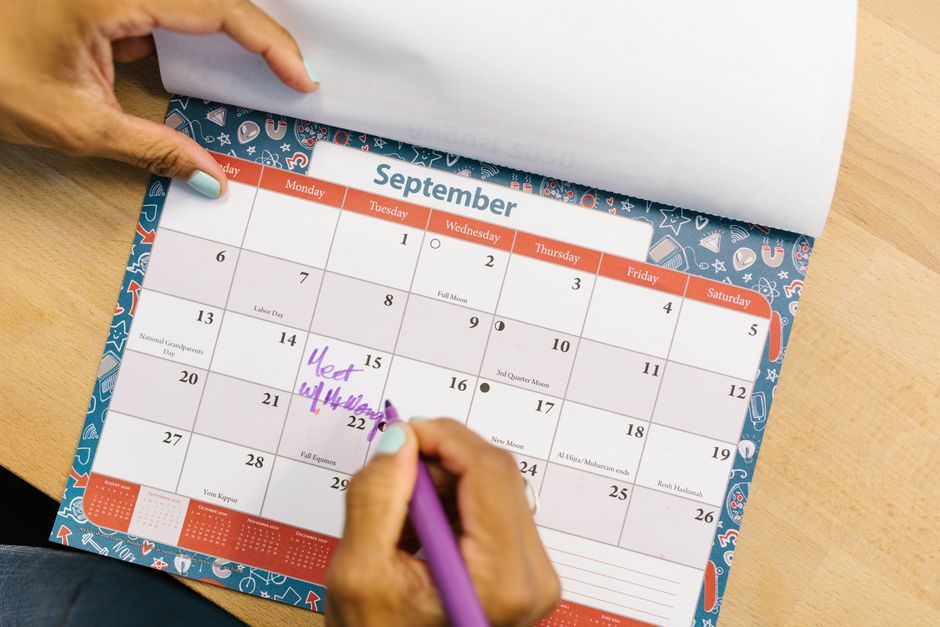
Annual financial housekeeping
Set a fixed time each year to review long-term goals, investments, and insurance coverages. A structured check helps you align risk with life changes and upcoming expenses. You’ll know what to adjust before tax season or renewal dates.
Evaluate debt levels, credit utilization, and emergency savings. Rebalance if needed to maintain resilience against unexpected events.
Document decisions and outcomes so you can compare year over year. Clear records improve accountability and planning accuracy.
- Schedule a review date
- Assess debt and savings
- Document outcomes
Frequently asked questions
What if I’m new to budgeting and tracking?Start with a simple framework: track income, fixed costs, and two or three variable expenses. Automate two categories, review weekly, and adjust by small increments. This builds confidence and shows tangible progress without overwhelming detail.
How do I choose digital tools without privacy concerns?Look for reputable apps with clear privacy policies and minimal data collection. Prefer tools that sync securely with your bank and let you export data. Start with a short trial and disable features you don’t need.
Can local partnerships stay affordable?Yes. Prioritize professionals who offer clear, upfront pricing or a fixed-fee package for basic services. Seek referrals from trusted contacts and compare a short list before selecting to avoid overspending.
What is a realistic yearly review cadence?Schedule a dedicated 60–90 minutes once per year, plus a short quarterly check-in to adjust progress. Treat it as a financial appointment with a concrete agenda and written notes.
Practical steps for ongoing finance discipline
Adopt a recurring habit of tracking, reviewing, and adjusting. The goal is not perfection but steady, informed progress that you can sustain month after month.
Use the yearly review to keep your plan aligned with life changes, from career shifts to family needs. A clear map makes complex decisions easier and reduces anxiety about money. The next step is to pick one tool or habit and implement it this week.
Add Asian Cuisine as a preferred source on Google


