
Smart financial guide to evaluating event promotion in the USA
A practical comparison for Indian readers: how to evaluate US event promotion options, avoid myths, and choose the right approach with clear steps.

If you’re weighing whether to promote an event in the USA, this guide shows how to assess options, costs, and risks so you can choose a plan that fits your money goals.
You’ll learn practical steps to compare methods, estimate impact, and avoid overpaying for marketing that doesn’t move the needle on your finances.
The aim is to give you a clear framework you can apply to any international promotion decision without assuming external expertise or inflated promises.
- Start with a clear budget and goals for US promotion. Compare digital and traditional channels with a small test budget. Measure cost per lead and adjust quickly.
- Choose 1–2 core channels based on audience fit, then diversify as data supports scale. Use simple attribution to understand impact.
- Avoid common traps like assuming instant results or ignoring local relevance. Maintain a tight review process with regular data checks and flexible plans.
- Maintain a practical, adaptable approach that prioritizes financial discipline and measurable outcomes when promoting events in the USA.
Basics of evaluating international promotion
What matters for budgets
Start with your budget and what you expect to achieve. Identify fixed costs and potential variable spend, including fees, taxes, and translation if needed. This helps you compare options on a level field and prevents overspending. L1: promote your event in the USA
Consider how traditional channels differ from digital ones in cost and reach. For example, paid ads may require creative testing, while partnerships may offer longer-term reach with different risk profiles.
Track performance expectations against cost so you don’t oversell impact. Most methods offer the ability to measure clicks, signups, or inquiries, which informs future spending.
- Set a hard cap on total spend
- Estimate reach per channel
- Plan for follow-up costs
- Prepare a simple tracking plan
Assess risk and compliance
Understand legal and regulatory constraints for cross-border promotions. Tax rules, consumer protections, and advertising standards vary and can affect both costs and timing.
- Check local advertising rules
- See if data transfers require compliance
- Plan for currency and tax implications
How to compare options
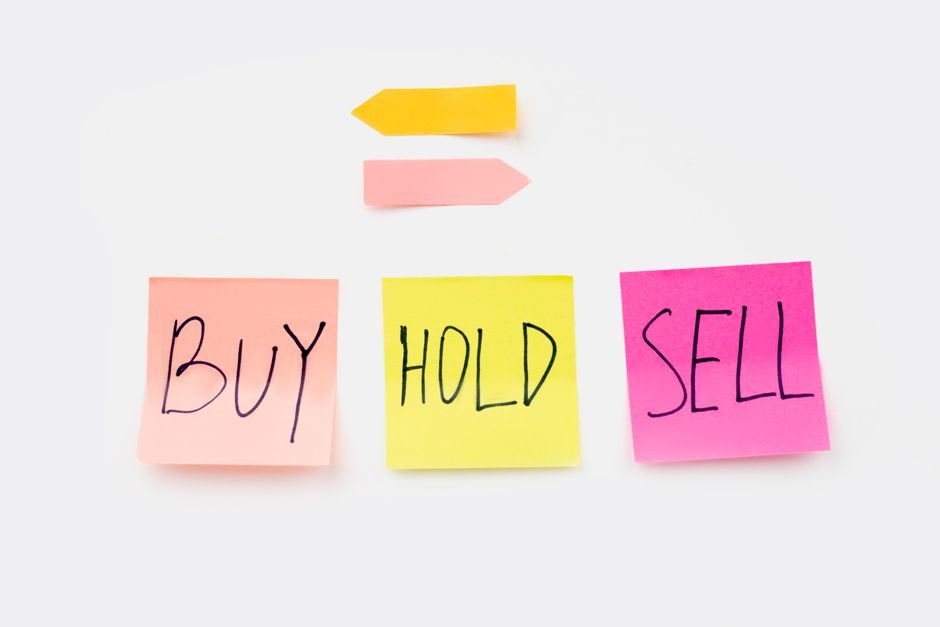
Digital vs traditional channels
Digital channels offer faster feedback and measurable results, but traditional channels can build trust over time. Pick channels that align with your audience’s habits and your budget. L2: Deco Art latest news
Create a simple test plan: run two small campaigns with clear success metrics, then compare results to decide where to invest more.
Avoid relying on a single channel; diversification reduces risk and improves learning across formats.
- Test small budgets first
- Define success metrics early
- Favor channels with clear attribution
Timing and creative considerations
Timing affects both response and cost. Align creative assets to audience expectations in the USA and ensure messaging complies with local norms.
Use concise, benefit-focused copy and visuals that resonate with the target demographic. Testing variations helps identify what works best.
Keep a flexible plan to adjust creative based on early feedback rather than sticking to a failing concept.
- Coordinate with local coordinators
- Prepare variations for A/B testing
- Monitor feedback and adjust quickly
Practical options and trade-offs
Paid promotion basics
Paid options can offer precise targeting and fast reach, but costs can escalate if not monitored. Start with a small test and scale only when results justify the spend. L3: get your business listed in the USA
Track cost per lead and conversion rate to judge value, not just impressions.
Be ready to pause or adjust campaigns that don’t meet predefined thresholds.
- Set daily caps
- Use conversion-focused creatives
- Pause underperformers promptly
| Option | Pros | Cons |
|---|---|---|
| Paid promotion | Precise targeting, fast reach | Costs can climb if not managed |
| Earned media | Credibility, low direct cost | Slower to build and harder to control |
| Owned channels | Full control, long-term value | Requires ongoing effort and content |
Earned and owned channels
Earned media and owned assets build credibility without per-click costs but require time to mature. Leverage press lists, partnerships, and your own channels to maximize reach gradually.
Coordinate messaging across channels to reinforce the core value proposition.
Evaluate long-term impact over short-term spikes to ensure sustainable ROI.
- Cultivate relationships with local media
- Repurpose content across channels
- Track long-term engagement metrics
Set realistic benchmarks and avoid chasing viral results with big bets on unproven channels.
Common pitfalls to avoid

Overestimating immediate impact
Readers or audiences rarely convert instantly. Expect a learning phase and incremental improvements. L4: second-hand items for sale in the USA
Set realistic benchmarks and avoid chasing viral results with big bets on unproven channels.
Regularly reassess plans as data comes in to avoid waste.
- Avoid big upfront commitments
- Seasonally adjust expectations
- Keep a reserve to test new ideas
Ignoring local relevance
Messages that don’t resonate with the USA audience risk low engagement and wasted spend. Tailor versions for cultural expectations and local context.
Use regional data and simple feedback loops to refine creative and offers.
Don’t assume success from one market applies to another without testing.
- Localize content
- Test regional variations
- Review legal compliance steps
Advanced tracking and measurement
Setting clear metrics and goals
Define what success looks like for your event in the USA before you start. Tie choices to concrete outcomes like attendance growth, lead quality, or post-event revenue. Use simple benchmarks you can recheck weekly, not vanity numbers that don’t change decisions. announce a death in the USA
- Start with a clear event objective and map each metric to it.
- Review performance weekly and adjust spend or messaging.
- Capture audience signals to refine future promotions.
Incorporate both top-funnel and bottom-funnel indicators so you can see who reacts to initial promotion and who converts to action. A basic mix includes reach, clicks, registrations, and actual purchases or signups. Be ready to adjust targets as data comes in.
Track attribution with non-intrusive methods to keep user privacy intact. Segregate data by channel so you can see which platform earns the most engaged attendees. This helps with budget reallocation instead of guesswork.
- Choose 2-3 core metrics
- Set monthly check-ins
- Use a simple attribution model
- Permit privacy-respecting data collection
- Review results against goals
Establishing a measurement routine
Create a lightweight dashboard that updates automatically from your marketing tools. Schedule a weekly review with a colleague to ensure someone is accountable for outcomes. A routine keeps promotions aligned with goals and discourages reactive changes.
Separate paid promotion results from organic reach so you can assess true ROI. Compare campaigns using the same time window and audience size for a fair read. Consistency matters when you’re learning what works.
Document decisions and learnings after each event cycle. Write a brief post-event summary that highlights what to repeat or drop next time. This formal record makes future budgets smarter.
- Build a 4-panel dashboard
- Schedule regular reviews
- Maintain consistency across campaigns
- Document outcomes and lessons
- Keep a simple audit trail
Global vs local budgeting
Allocating across regions
Understand that promotion costs vary by country and platform. In the USA, larger ad networks might demand higher spend but deliver more qualified traffic. Balance reach with targeting precision to avoid waste.
- ☐ Identify regional cost patterns and adjust bids accordingly.
- ☐ Keep a cap on experimental spend to protect the budget.
- ☐ Document ROI by region to guide future rounds.
Create a baseline budget for each region and a shared pool for experimentation. Use a fixed percentage for testing new channels, and keep a cap on spend per channel. This protects overall financial health while enabling learning.
Review currency risks and payment terms with vendors early. Favor contracts with transparent pricing and clear deliverables to prevent surprise invoices.
- Set per-region caps
- Reserve a testing fund
- Clarify payment terms
- Monitor currency exposure
- Track regional ROI
Alternative platforms and communities
Evaluating new channels
Explore niche platforms and communities where your target audience participates. Instead of chasing the largest audience, prioritize spaces with higher engagement and relevance to your event theme. This can reduce waste and improve conversion rates.
- Begin with a narrow audience in a relevant community.
- Run a limited-time test and measure response.
- Scale only after confirming positive signals.
Test small, well-defined campaigns before committing real budgets. Use a single ad format and a short run to gauge resonance. Scale only when results justify the spend.
Keep your messaging consistent but tailor it to the tone of each community. A formal event may need a different approach than a casual meetup, even if the topic is the same.
- Test one platform at a time
- Choose basic ad formats
- Set a small, time-bound test
- Adapt messaging by audience
- Track performance precisely
Partnering with industry groups
Leverage associations and local business networks to reach attendees who are already interested in the topic. Partnerships can extend reach without large direct advertising costs. Ask for co-branded materials and member discounts to increase appeal.
Define each partner’s value upfront to avoid scope creep. Use clear deliverables like guest posts, newsletter mentions, or event listings. Track performance by partner to see who drives registrations.
Maintain transparency and provide value in return, such as exclusive content or early access. A balanced exchange helps sustain long-term collaborations.
- Seek clearly defined partners
- Measure partner-driven outcomes
- Offer mutual benefits
- Maintain transparent terms
- Foster ongoing relationships
Final checks before you launch

Compliance and permissions
Confirm you have permission to promote in each location and that your ads comply with local rules. Review privacy policies to ensure consent is clear and that tracking uses are disclosed. Noncompliance risks costly resets and reputational harm.
Prepare a short, plain-language notice about data usage for new registrants. Ensure this notice appears before any form submission. Clear consent reduces friction and legal risk.
Keep digital assets up to date, including any location-specific terms of service or event details. A stale landing page will undercut your campaign’s credibility.
- Confirm legal permissions
- Verify privacy disclosures
- Update landing pages
- Check terms and conditions
- Prepare consent notices
Operational readiness
Ensure registration and payment flows work smoothly before sending traffic. Run a dry run of the signup process and test payment gateways in a safe environment. A flawless funnel builds trust and reduces abandonment.
Have a rapid response plan for common issues, such as registration errors or payment failures. Assign owners to monitor channels and fix problems in real time.
Review creative assets for accessibility and readability. Use concise headlines and high-contrast designs so information is easy to parse on mobile devices.
- Test end-to-end signup
- Set up monitoring and alerts
- Check accessibility and mobile readability
- Prepare real-time support
- Audit landing pages before launch
Frequently asked questions
What counts as a qualified leadA qualified lead is someone who shows clear interest and fits your buyer profile. It’s more than a click: it’s a registration, a request for more information, or an explicit expression of intent. Qualify leads by behavior and stated needs rather than demographics alone. Track the path from impression to action to estimate quality. Use simple scoring rules like engagement with the landing page and completion of the sign-up form to separate promising prospects from casual browsers. Balance speed with precision by treating leads as potential customers who deserve timely follow-up and relevant content.
How should I allocate the budget across channelsStart with a small, even-handed test across 2–3 channels to see where your audience spends time and responds. Use consistent messaging to compare apples-to-apples, and keep a simple metric like registrations per dollar spent. Increase spend on channels that demonstrate efficiency. Avoid overreacting to a single campaign’s spike or dip. Reallocate gradually based on sustained results over several days of activity. Maintain a reserve for unexpected opportunities or issues during the launch window.
What if results don’t meet expectationsReassess your audience and the offer. It may be that the event topic isn’t resonating with the chosen segment, or the registration flow is too cumbersome. Make a minimal change that can be evaluated quickly, such as a clearer value proposition or a simpler form. Pause non-performing channels to reallocate to those with documented momentum. Use a short test window to verify that changes produce a measurable lift.
Is it risky to promote in the USAPromoting in the USA carries typical campaign risks like higher competition and higher costs per click. The key is clarity: know your audience, provide concrete value, and track performance against a simple plan. Avoid rushing big bets before you have evidence from a pilot. Local rules vary by platform and state; read terms and comply with privacy standards. Ensure you can justify any data collection and that registrants understand how their information will be used.
Conclusion
Takeaways for smarter promotions
Next steps for momentum

Add Asian Cuisine as a preferred source on Google


