
Practical guide: buying and planning finance for Denmark-related topics
A clear buyer’s guide for Indian readers: how to assess Danish finance options, tips for cross-border planning, and practical steps when dealing with Denmark-re

This guide helps readers evaluate Denmark-related financial needs without ambiguity. It explains practical steps for assessing banking options, investments, and cross-border costs, so you can plan ahead with confidence.
You’ll learn how to compare services, understand local rules, and avoid common pitfalls when dealing with international finance topics connected to Denmark.
By the end, you’ll have a concrete checklist to apply to real-life decisions, from banking setup to investment considerations and timely notices.
- This guide helps you compare Denmark-related financial options with practical steps. It covers cross-border banking, investing, and compliance for Indian readers.
- Use concrete checklists to evaluate cost, risk, and ease of access across Danish and international finance options.
- Expect clear recommendations on where to start, what to ask, and how to track progress over time.
- The article emphasizes staying compliant and avoiding common mistakes with practical, repeatable actions.
Basics of Denmark-related finance
Understanding local banks
Choose Danish banks with strong cross-border support and clear fee structures. Look for services that facilitate international transfers, multi-currency accounts, and reputable customer service. Danimarka'da cenaze duyurusu provides context for legal notices that may appear in Denmark-focused financial services.
- Choose banks with good cross-border support
- Understand fees before you transfer
- Keep required documents ready for tax
Compare account types, monthly fees, and withdrawal limits to fit your money flow. Consider how easy it is to manage online and mobile banking, especially from India.
Be aware of withholding taxes on certain investments and any required documentation for non-residents. This helps you avoid surprises at tax time.
- Compare international transfer fees
- Check online banking accessibility
- Review tax implications
- Assess customer support quality
Costs of cross-border transfers
Cross-border transfers can add hidden costs. Exchange rates, intermediary fees, and slow processing can nibble away at gains.
Use banks or services with transparent fee schedules and real-time rate quotes. Plan transfers during market hours to minimize slippage.
Keep a record of transfer receipts for tax reporting and dispute handling to stay compliant and informed.
- Know the total transfer cost
- Prefer transparent rate quotes
- Time transfers strategically
- Document everything
How to compare Denmark-related options

Investing for cross-border needs
Identify instruments that suit both your risk tolerance and cross-border access. Equities, bonds, and mixed funds can offer flexibility for non-residents. Danimarka Haberleri manşetler can influence market sentiment and timing for international transfers.
Check fund domiciles and tax treatments to avoid double taxation. Use funds with transparent reporting and easy currency hedging options.
Consider your currency exposure and how it affects returns over time.
- Look for liquid, tax-efficient funds
- Evaluate currency hedging features
- Understand domicile and reporting
- Assess flexibility for withdrawals
Banking setup for expats
Open accounts that support multi-currency capabilities and offline accessibility. Ensure you can manage everyday expenses and larger transfers easily.
Review ATM access, card fees, and customer service in your home language. A strong online platform reduces friction when you’re abroad.
Keep a local contact in Denmark for critical issues like card freezes or fraud alerts to minimize downtime.
- Multi-currency accounts
- Low-fee ATM access
- Strong online platform
- Local support contact
Denmark-specific pitfalls
Tax and reporting traps
International tax rules can surprise first-time cross-border investors. Misunderstanding residency requirements may trigger unexpected filings. etkinliğinizi Danimarka'da yayınlayın helps explain event funding and cross-border publicity planning for finance readers.
- Understand residency impact on taxes
- Keep documentation up to date
- Know where to report foreign income
Consult a tax advisor for guidance tailored to your situation, especially around dividend taxes and capital gains.
Maintain organized records to simplify filing and audits later on.
- Know residency rules
- Track dividend and capital gains
- Keep receipts and statements
| Option | Pros | Cons |
|---|---|---|
| Cross-border funds | Diversified exposure | Currency risk and fees |
| Denmark-based banks | Strong local support | Higher complexity for non-residents |
| Digital wallets | Fast transfers | Regulatory uncertainty |
Regulatory quirks to watch
Regulations around money remittance and crypto vary significantly. Staying compliant helps avoid penalties and limits on transfers.
Always verify wallet and exchange rules before moving funds. Use reputable platforms with clear verification processes.
Monitor updates from Danish authorities if you deal with large sums or recurring transfers.
- Verify platform compliance
- Choose reputable firms
- Stay updated on rules
- Prepare for verification steps
Set milestones for transfers, tax filings, and investment reviews to stay on track.
Practical tips for readers
Create a cross-border plan
Draft a plan detailing your expected payments, investments, and emergency access to funds. A written plan reduces last-minute decisions and costs. Danimarka'da esnaf rehberi can impact small business budgeting and cross-border supplier payments.
- Identify needs
- Choose accounts
- Set review dates
- Adjust as needed
Set milestones for transfers, tax filings, and investment reviews to stay on track.
Review the plan annually and adjust for changes in law or personal circumstances.
- Define cash flow
- Schedule reviews
- Update for changes
Safety and risk management
Use strong authentication and keep devices secure when you manage Denmark-related finances. Regularly review account alerts and spending patterns to catch anomalies early.
Diversify holdings to reduce currency and regulatory risk. Use conservative allocations for emergency funds.
Never share login details and use reputable, well-known platforms with solid security histories.
- Regularly review statements
- Diversify holdings
- Protect login information
Managing liquidity
Optimizing cash reserves safely
Healthy liquidity means having enough cash to cover regular bills and unexpected costs without borrowing at high rates. Start by listing fixed expenses and creating a small emergency cushion in a high‑yield savings account. Use a simple weekly check-in to adjust spending and avoid dipping into long‑term investments. Danimarka ilanları are often used by families moving and they can affect budgeting and insurance planning.
Estimate how long expenses would last in a downturn by simulating two scenarios: job loss and medical bills. This helps you decide how many months of living costs to keep liquid. Reassess quarterly to reflect life changes and price shifts.
Track inflows and outflows with a basic ledger, separating essentials from discretionary spending. Automate transfers to savings so you don’t rely on memory. A clear picture of liquidity reduces stress when markets wobble.
- Create a 3–6 month liquidity target
- Automate savings to a dedicated account
- Review non‑essential spending monthly
- Use a simple forecast for cash needs
- Avoid tying too much cash to low‑yield accounts
Tax optimisation
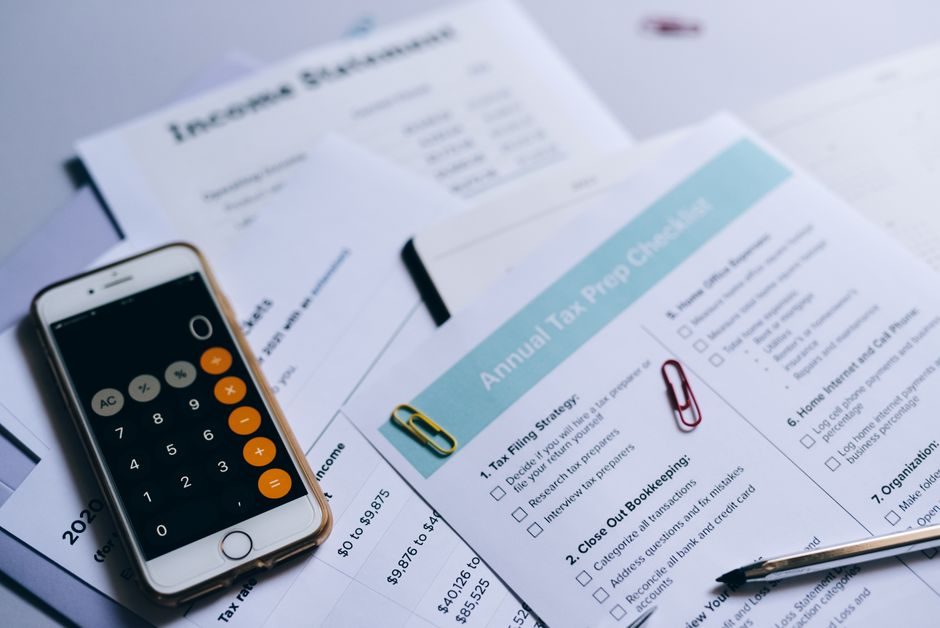
Efficient tax planning for expats
Denmark‑related taxes can be complex for newcomers; short‑term stays often mean different rules applies. Start by understanding which income is taxable in Denmark versus your home country and what credits are available. Plan purchases to shift deductions into periods with lower marginal rates.
Track deductible expenses such as investment costs, pension contributions, and certain health costs if applicable. Use a simple calendar to note receipts and timing. This helps you avoid last‑minute scrambling during tax season.
Consult a qualified adviser who understands cross‑border issues to tailor strategies to your situation. A proactive approach reduces the chance of overpaying and helps you maximize legitimate claims. Keep records organized in a digital folder for easy access.
- Identify cross‑border tax credits
- Track deductible expenses regularly
- Schedule a mid‑year tax review
- Keep organized digital records
- Avoid last‑minute filings
Retirement planning
Long‑term saving for later life
Building a retirement plan requires clarity on when you want to retire and what income you’ll need. Start with a baseline target based on current living costs and adjust for expected inflation. Create a simple contribution schedule that fits your cash flow.
Diversify across a mix of growth and income assets to weather market cycles. Use automatic increases to contributions as your income grows. Review the plan annually and rebalance to maintain risk tolerance.
Anticipate health costs and long‑term care, and consider how Danish pension rules interact with any home country benefits. A well‑documented plan keeps you aligned with life changes like career shifts or family needs.
- Set a retirement income goal
- Automate escalating contributions
- Diversify investments
- Review and rebalance yearly
- Plan for health and care costs
Crypto and digital assets

Safely managing digital assets
Digital assets require careful security and tax planning. Start with a secure wallet setup and two‑factor authentication for all exchanges. Keep a separate hardware wallet for larger holdings.
Only invest money you can afford to lose and avoid borrowing to participate in crypto markets. Set a fixed plan for entry points and exit rules to avoid emotional trading.
Stay compliant with local reporting requirements and track cost basis for tax purposes. Regularly update recovery phrases and backup locations to prevent loss.
- Use hardware wallets for big holdings
- Limit exposure to crypto relative to total portfolio
- Set predefined entry/exit thresholds
- Maintain secure backups of keys
- Document tax events for reporting
Frequently asked questions
What is the best way to start budgeting when income varies month to month?Begin with essential expenses, estimate the minimum needed, and build a flexible buffer. Use a simple rule of thumb to set aside a portion of any excess.
How should I balance debt repayment with saving?Prioritize high‑interest debt while maintaining a small emergency reserve. After clearing the steepest rates, redirect funds toward investing and long‑term goals.
What counts as a valid deduction in personal tax filings?Keep receipts for eligible expenses such as pension contributions and investment fees, and track them in a dedicated folder. If unsure, seek guidance before filing to avoid penalties.
Is it safe to invest in foreign markets while living abroad?Diversification can help, but understand currency risk and local taxation rules. Start with a modest allocation and learn as you go.
Practical next steps
You now have a concrete frame for managing liquidity, optimizing taxes, planning for retirement, and handling crypto responsibly. Use these sections to build a simple, repeatable routine that fits your life and local rules.
Take one practical step today—set a liquidity target and automate a monthly transfer to that fund. Then review your tax plan and confirm dates for any filings or advisor meetings in the coming quarter.

Add Asian Cuisine as a preferred source on Google


